
EcoPlay Journal
- All posts 13
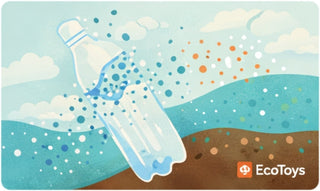
Most plastic does not biodegrade. It fragments into microplastics that spread across ecosystems and are difficult to recover. Here is what the data says and what families can realistically do.
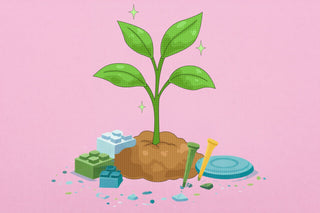
What does “proprietary biodegradable blend” actually mean? We explain the science behind our material design, how it differs from petrochemical plastics, and why formulation matters for children and the planet.
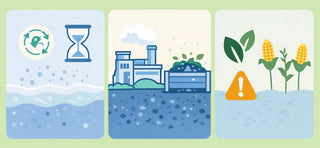
Biodegradable. Compostable. Bio-based. They are often used interchangeably, but they describe very different things. Understanding the distinction helps you choose materials based on real end-of-life outcomes, not just good intentions.
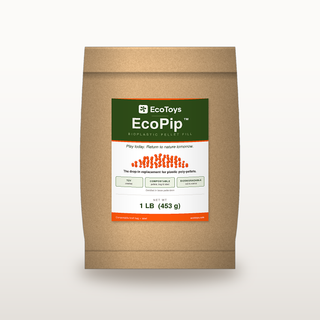
A drop-in replacement for plastic pellet fill — same handling makers already know, but genuinely biodegradable. Here's why EcoPip matters for crafters.
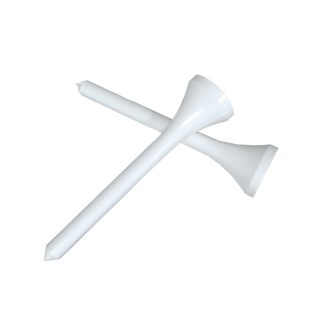
Golf tees and footbags are two of the toughest proving grounds for a new material. Here's why we started there before EcoPip.
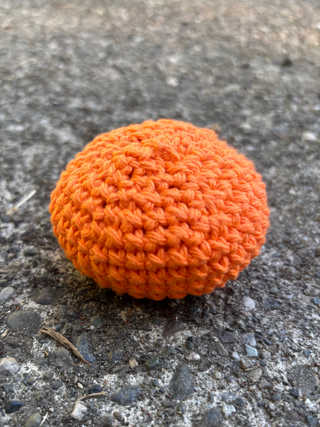
A few plastic-free picks for backpacks and lunchboxes this school year — footbags, frisbees, and fidgets that hold up and break down.
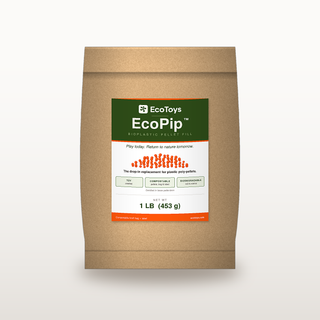
Bio-based, compostable, and biodegradable get used interchangeably, but they mean very different things. Here's the plain-language breakdown — and where EcoPip fits.
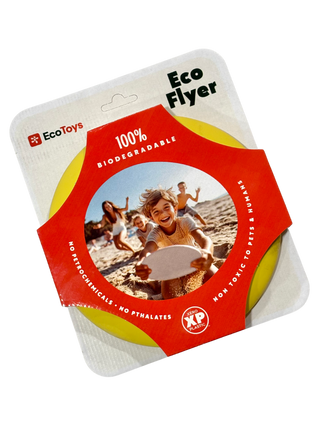
California and the EU are both moving toward new microplastics rules for toys and craft products. Here's where things stand and what it means for shoppers.
- 1
- 2